Fixing Your Warranty Claims and Parts Department Workflow
Daniel Chapdelaine
Forge AI
A detailed breakdown of the warranty claims and parts department workflow. Learn to fix common failure points, reduce chargebacks, and get paid faster by the OEM.
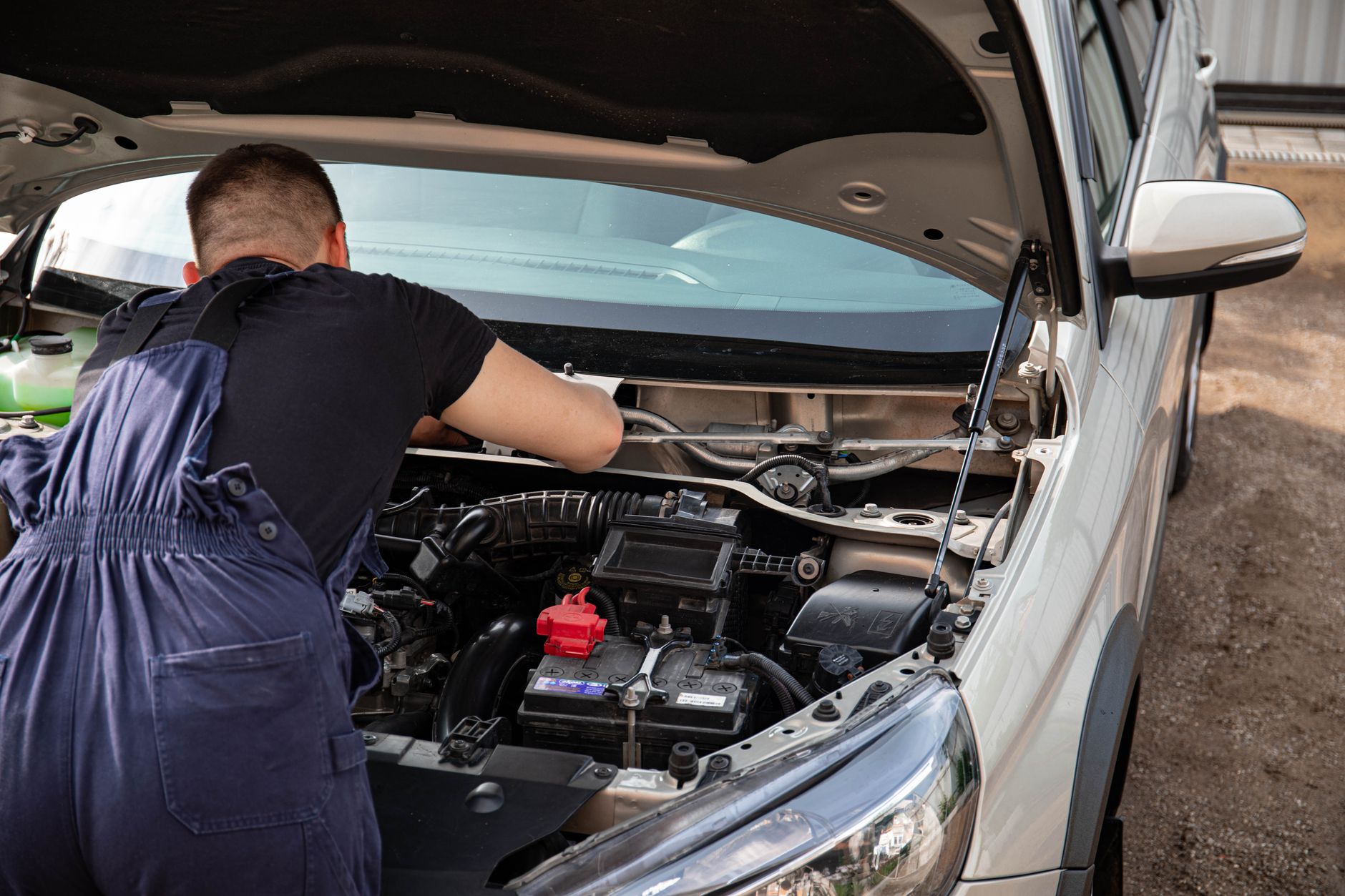
A warranty claim gets kicked back. The rejection reason: "Incorrect part number for specified labor operation." The warranty administrator walks over to the service lane, RO in hand. The service advisor blames the parts department for pulling the wrong part. The parts counter blames the technician for a sloppy story.
Meanwhile, the OEM’s 30-day clock for a parts return request is ticking, the car is long gone, and the repair order is still open, holding up the accounting close.
This isn't a hypothetical. It's a Tuesday. The friction between the warranty office, the service department, and the parts department is one of the oldest and costliest problems in dealership fixed ops. Fixing it requires more than just telling people to communicate better; it requires a deep understanding of the workflow and its specific failure points.
The Real Cost of a Disconnected Parts & Warranty Workflow
A disjointed process between your parts and warranty teams isn’t just an administrative headache; it’s a direct drain on your bottom line. When these two departments operate in silos, the financial impact ripples across the entire dealership.
The most obvious cost is chargebacks. When an OEM requests a returned part for inspection and you can't find it, or the part you send doesn't match the claim, that's an automatic debit. But the bleeding doesn't stop there.
Consider the locked-up capital. Every warranty part sitting on a shelf waiting for a claim to be processed is cash that isn't in your bank account. Poorly managed parts retention means this inventory—and your cash—is held hostage for weeks or months longer than necessary. Add to that the wasted technician time spent chasing down parts, and you're losing billable hours that can never be recovered.
Ultimately, a messy workflow is an audit risk. If an OEM auditor shows up and finds a disorganized parts cage, inconsistent tagging, and an inability to produce requested parts, you’re facing major financial penalties. This isn't just about inefficiency; it's about protecting your revenue. It's why dealerships are increasingly turning to warranty claim automation to enforce a clean process.
Mapping the Workflow: From RO Creation to Parts Scrapping
To fix the workflow, you first have to map it. The journey of a warranty part is both physical (moving through the dealership) and digital (moving through the DMS and OEM portals). Understanding each handoff is critical.
Step 1: The Repair Order (RO) Kicks Things Off
Everything starts with the technician. After diagnosing a vehicle, the tech documents the issue in the "story" on the RO and flags the relevant labor operation(s) for warranty coverage. This action in the DMS (Dealer Management System) is the initial signal that a warranty part may be required. The quality of this initial story is the foundation for the entire claim.
Step 2: The Parts Request, Sourcing, and Allocation
The service advisor or warranty admin reviews the tech's notes and formally requests the necessary parts through the DMS. The request lands in the parts department's queue. A parts advisor then sources the part—either by pulling it from existing stock, ordering it from the OEM, or sourcing it from another dealer.
Once the part is located, it must be allocated specifically to that RO number in the DMS. This digital link is non-negotiable; it's how the system connects the cost of the part to the labor being performed and, eventually, to the warranty claim being filed.
Step 3: Tagging and Storing Warranty Parts
This is where many workflows begin to break down. When the old part is removed from the vehicle, it must be tagged immediately. The tag should include, at a minimum:
- Full RO number
- Claim number (if available)
- Vehicle’s full VIN
- Date of repair
The tagged part is then moved to a secure, designated warranty parts retention area—often called "the cage." It cannot be mixed with general inventory or cores. This physical organization is just as important as the digital record in the DMS.
Pro Tip: Use a dual-tagging system. One tag stays with the part, and a tear-off stub goes into a daily reconciliation folder for the warranty admin. This creates a physical audit trail that is invaluable during reconciliations or OEM audits.
Step 4: The Core Return Process
Cores are a special category and a common source of lost revenue. When a part like an alternator or starter is replaced, the old unit (the core) has a monetary value and must be returned to the manufacturer. The parts department is responsible for packaging the core according to strict OEM guidelines and processing the return promptly. Failure to do so results in forfeiting the core credit, which can be hundreds of dollars per unit.
Step 5: OEM Parts Return Request vs. Scrapping
After the warranty claim has been submitted and paid by the OEM, one of two things will happen. The OEM will either:
- Request the Part for Return: The manufacturer wants to inspect the failed part. The warranty admin will see this request on the OEM portal and must coordinate with the parts department to pull the correct tagged part from the retention area and ship it back.
- Authorize Scrapping: The OEM does not need the part back. The claim is considered fully closed. The parts department can then dispose of the part according to environmental and dealership policy.
A clear process for checking the OEM portal daily for these dispositions is crucial to keep the parts cage from overflowing and to avoid missing a return request.
The 5 Most Common Failure Points Between Service and Parts
Even with a defined process map, gaps in communication and execution create costly errors. These five failure points account for the vast majority of inter-departmental friction and warranty-related chargebacks.
-
Part Number & Quantity Mismatches A technician writes a story calling for "replace front pads and rotors," but the service advisor only orders the pads. Or, a parts advisor misreads a handwritten note and pulls part #12345-B instead of #12345-A. These simple human errors create a mismatch between the parts listed on the claim and the labor op being paid, which is an instant rejection from the OEM.
-
Poor Communication on Special Order Parts (SOPs) A vehicle is stuck on a lift, tying up a bay while everyone waits for a special order part. The service advisor has no clear ETA from the parts department, so they can't give the customer a straight answer. This black hole of information creates frustration for everyone and tanks your CSI scores.
-
Mishandled Parts Retention & Tagging This is the single biggest cause of chargebacks. The parts cage is a disorganized mess, tags fall off, or parts are never tagged at all. When the OEM requests a part from a claim paid 45 days ago, a frantic search begins. If you can't find it, you lose 100% of the claim value. OEMs typically require parts to be held for 30-90 days after the claim is paid, so a robust system isn't optional. This chaos is a primary reason dealers look for ways to avoid OEM warranty chargebacks.
-
Core Handling and Tracking Errors The parts department is juggling dozens of cores at any given time. Without a rigorous tracking system, it's easy to lose track of which cores have been sent back and which credits have been received. Each missed core is pure profit given away for free, and the administrative time spent reconciling core accounts is a hidden operational drain.
-
Data Silos Between the DMS and OEM Portal The warranty admin lives in two worlds: the DMS and the OEM portal. Information has to be manually transferred between them. This "swivel-chair" process of re-typing RO numbers, VINs, part numbers, and quantities is a breeding ground for typos and data entry errors that break the workflow and lead to rejections.
Best Practices for a Bulletproof Workflow
Fixing these issues doesn't necessarily require a massive investment. It starts with discipline, clear communication protocols, and using the tools you already have more effectively.
Establishing Clear Roles and Responsibilities
Ambiguity is the enemy of an efficient workflow. Every person needs to know exactly what they own. While specifics vary by dealership, a clear division of labor is key. This often falls to the Service Manager and Parts Manager to define and enforce.
| Role | Primary Responsibility |
|---|---|
| Technician | Accurately document the failure in the story and flag the correct warranty labor op. Place the old part in a designated area with the RO. |
| Service Advisor | Translate the tech's story into a clear parts request in the DMS, ensuring quantities and descriptions are correct. |
| Parts Advisor | Accurately pick/order the part, allocate it to the RO in the DMS, and handle the physical return of cores. |
| Parts/Shipping | Correctly tag the removed warranty part and place it in the designated, organized retention area. Pull and ship parts requested by the OEM. |
| Warranty Admin | Reconcile the final parts list on the RO against the labor ops before submission. Monitor the OEM portal for parts return requests and scrap authorizations. |
The Warranty Parts "Cage" and Tagging System
Treat your warranty parts retention area like a Fort Knox. It should be a secure, limited-access area. Use sturdy shelving with clear bin locations that correspond to entries in your DMS. Implement a strict "First-In, First-Out" (FIFO) policy for scrapping parts to ensure you aren't keeping old parts longer than required. Your tagging system should be non-negotiable and checked daily.
A Communication Cadence That Actually Works
Don't leave communication to chance. Implement simple, regular check-ins. A 5-minute daily huddle between the warranty administrator and the parts manager to review pending returns and SOP statuses can prevent dozens of problems. Use specific statuses in your DMS to signal key events, like "Part Arrived" or "Claim Submitted," so there is a visible, shared understanding of where every job stands.
Using Your DMS to Its Full Potential
Most dealerships only use a fraction of their DMS's capabilities. Systems like CDK, Reynolds & Reynolds, and DealerTrack have built-in reporting and tracking features that can help bridge the parts-warranty gap. Run daily reports on unallocated parts or open warranty ROs older than a certain number of days. Use the bin location fields to digitally track where every physical part is stored.
Warning: A DMS is a system of record, not a workflow engine. It can tell you what happened after the fact, but it can't proactively prevent a technician from using the wrong part or an administrator from making a typo during claim submission.
How Automation Creates a Single Source of Truth
Best practices and disciplined processes form a strong foundation. But human error is inevitable in a high-volume, manual-entry environment. This is where automation elevates your workflow from good to bulletproof.
AI-powered automation acts as a digital layer over your DMS and existing processes, creating a single source of truth for the entire warranty lifecycle. Instead of relying on manual checks and balances, the system enforces the rules automatically.
Imagine a system that cross-references the technician's story, the flagged labor ops, and the parts list against the OEM's official service manuals and parts catalog in real time. It can flag a mismatch before the claim is ever submitted, turning a potential rejection into a simple correction. This is the key to boosting your first-time claim acceptance rate.
This technology can also automate the administrative burdens, like generating parts return shipping lists directly from OEM requests. It provides a unified dashboard where the service manager, parts manager, and GM can see the real-time status of any warranty part and its associated claim without digging through multiple screens in the DMS.
The relationship between the parts department and the warranty office is too critical to be left to chance. The friction you feel daily is a symptom of a broken workflow, but it’s not a permanent condition. By systematically mapping your process, identifying the precise points of failure, implementing rigorous best practices, and strategically applying automation, you can transform this relationship from a source of conflict into a streamlined engine for profitability. You can eliminate chargebacks, accelerate OEM payments, and free up your most valuable people to focus on what they do best.
Ready to automate?
See how Forge eliminates manual warranty work
Upload ROs to Forge and submit directly to your OEM warranty portal. Forge AI handles data entry, compliance checks, and claim tracking — live in under an hour.